

Spanning three continents and the three disciplines of paleontology, geology, and archaeology, Gudrun Corvinus‘ achievements were vast, and so the loss to science was huge when she was killed in 2006 while still active in research.
Born in 1931, Gudrun started her scientific career studying Jurassic ammonites from France but later shifted to Palaeolithic (earliest stone age) archaeology. She first worked in India, and in the 1960s undertook huge surveys and the first detailed multidisciplinary excavations, making unprecedented discoveries.
Working in 1974 in Ethiopia as part of the research team that found the famous australopithecus “Lucy” fossils, Gudrun was the first person to find the Gona archaeological deposits, which are the oldest known artifacts in the world.
Following this, in Namibia, she discovered extremely rich Miocene animal fossils (17 Million years old), and in the 1980s she returned to India where she spent the next 25 years pioneering the study of prehistory in Nepal, until her untimely death.
Written and posted by Becky
A recent video about the Gona archaeological sites
Main sources: In Memoriam chapter in Axe Age, by N. Goren-Inbar and Gonen Sharon; and from an article by P. Chauan in Quaternary International


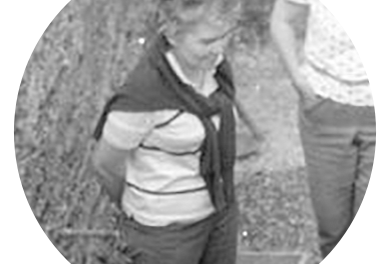


Hi,
I am Snehal.
We are going to print 2018 diaries dedicating to women scientists of India. We found Gudrun Corvinus has worked in India for many years and she is one of all scientist we have chosen.
We are not commercial publishers, but wish to spread knowledge in India with reader friendly material for children. We will need permission to print her photo in the same diary.
How can I proceed?
Look forward to your reply.
Thanks!
Hello, we have emailed in response.