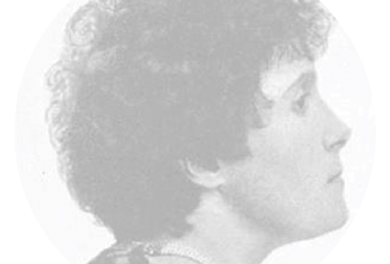
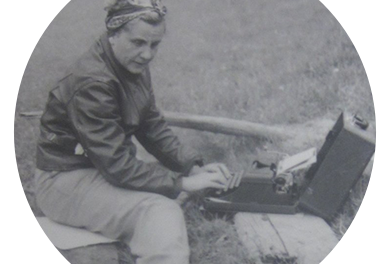
Margaret Rule shares her memories of the recovery of Henry VIII’s flag-ship the Mary Rose with the BBC. Watch this video – Rule’s stories of her discoveries, and the human stories behind, them are wonderful!
On the 19th July 1545, in the shallow waters of the Solent, Henry VIII’s flagship the Mary Rose set sail, primed for battle with the French ships that threatened the English fleet.
But as she raised her sails, something went wrong – the Mary Rose heeled over while coming about and, with gun-ports open and ready to fire, the sea rushed in. In moments, heeling turned to capsizing, capsizing to sinking: the ship went down with almost all of her crew.
Four hundred and thirty seven years later, in October 1982, a team led by Margaret Rule CBE raised the Mary Rose from the mud at the bottom of the Solent. Together they broke new ground in maritime archaeology, advancing methods in wreck conservation and underwater excavation.
Born in 1928, it is often reported — including here by us originally! — that Margaret studied archaeology at Cambridge University*. But her son Nick Rule says that as far as he knows, this isn’t true, and instead is one of the many myths that grew up around his remarkable mother.
The true story is more interesting:
“My mother wanted me to do something useful, and she was besotted by Marie Curie. I wanted to read archaeology, but the only way you could do archaeology in those days was to be very very wealthy; ordinary women didn’t do archaeology. I stood no chance, and my mother thought it was a waste of time, and she was interviewed by the headmaster and opted for science – I was good at science and that was it”.–Margaret Rule
Margaret was so good at science that she was awarded a place at London University to study Chemistry — but before she could commence her studies, her place was withdrawn. Returning servicemen from WW2 were given priority for university entrance, and that was that. Instead Margaret Rule decided to get a job, and started work as an Analytical Chemist for Beechams in 1948, taking chemistry evening classes and day-release courses at the same time. And on top of all this, she became a self-taught archaeologist, pursuing her love of the past in her spare time.
At first she focussed on decidedly terrestrial research: as early as 1947 she was recording sections through Roman levels around London as part of the “Bomb site survey” guided by people like Ivor Noel Hume. Once finances allowed, amateur passions became a full-time activity and by the 1960s she was a key figure in the excavations at Fishbourne Roman Palace. While Curator there, she began to advise on the early underwater searches for the Mary Rose in the mid-1960s.
At this point, Margaret dived headfirst into the nascent world of maritime archaeology. As Director of the Mary Rose Trust, she oversaw one of the most remarkable achievements ever in underwater survey, excavation and salvage.
The careful uncovering, raising and long-term painstaking conservation of the Mary Rose and her contents, has made the ship’s story about so much more than military history. It provides us with some of our most striking insights into the everyday life of Tudor people, through the possessions of the hundreds of men who lost their lives that day.
Written by Tori, edited and posted by Becky.
Edited April 2020 to include vital correctives (and a few additions!) from Margaret Rule’s son, Nick Rule. Hopefully Nick will be writing a second post on Margaret Rule for us soon!