

Margaret Adebisi Sowunmi is a true pioneer in many different ways. A professor at the Department of Archaeology and Anthropology, University of Ibadan, she was the first sub-Saharan woman to be a professor there and possibly in any sub-Saharan university. As an environmental archaeologist, she spearheaded the development of palynology in sub-Saharan Africa, founding the first environmental archaeology and palynology laboratory on the continent in 1967.
Professor Sowunmi began her career as a botanist, studying at University College, Ibadan (part of the University of London). She developed her specialism in palynology during her PhD studies, also in Ibadan, working on the identification of Arecaceae (palm) pollen. She was one of the founding members of the Archaeology Unit in 1970 and continued to work at Ibadan until her retirement from her post of Professor of Environmental Archaeology and Palynology in 2004. Professor Sowunmi was drawn into archaeology through collaboration with Professor Thurstan Shaw, who suggested she work on cores being created by companies drilling for oil in the Niger Delta. Using these cores, Professor Sowunmi worked on the first major reconstruction of vegetation change in southern Nigeria over the last 40,000 years.
As a pioneer in the field, Professor Sowunmi was instrumental in building up reference collections for pollen analysis in Nigeria, which became the Palynology laboratory at the university. Her work on environmental reconstruction has been crucial to understandings of both archaeological and ecological case studies. Recently, she has been working on a vegetation history of the southern part of the Guinean Lowland Rain Forest across the Dahomey Gap.
Professor Sowunmi is an incredibly inspiring person. A leader in her field, she combines her research with a broad teaching portfolio. She has been Head of Department three times and holds a senior position within the Anglican Church. Her inaugural lecture dealt with the lessons to be learnt from environmental archaeology about the relationship between humans and the ecological equilibrium; she continues to speak and to teach students about the importance of human impacts on the environment.
Post by Fionnuala Marron Long and Stephanie Wynne-Jones
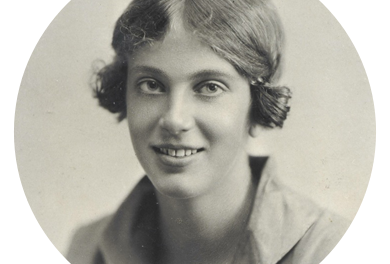
Image provided by Pamela Jane Smith and used with permission.
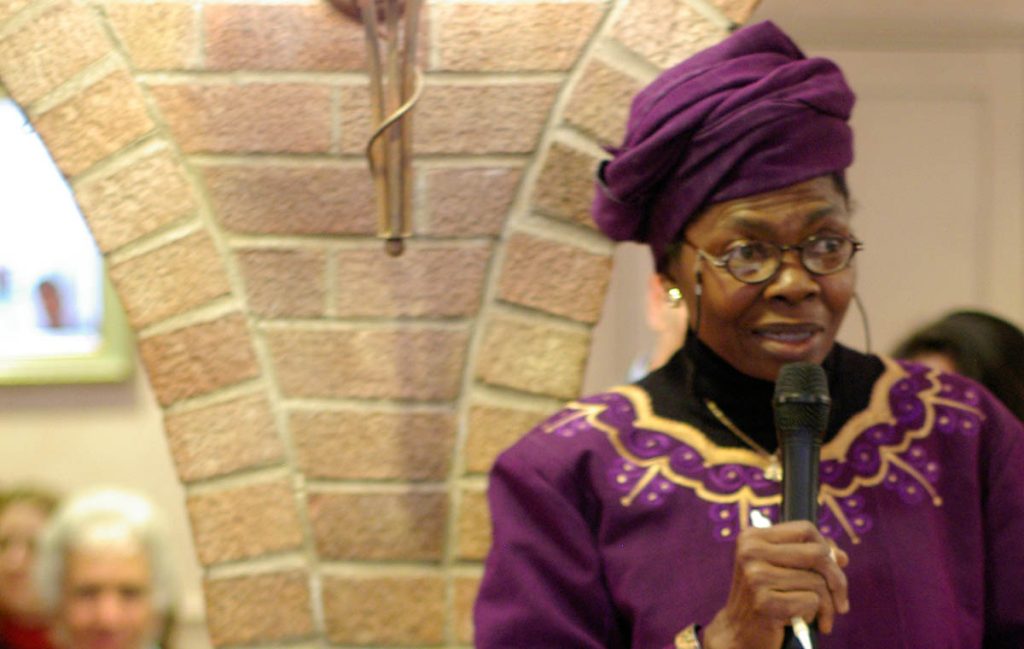


Professor Sowunmi, a force to reckon with in Nigerian and West African archaeology