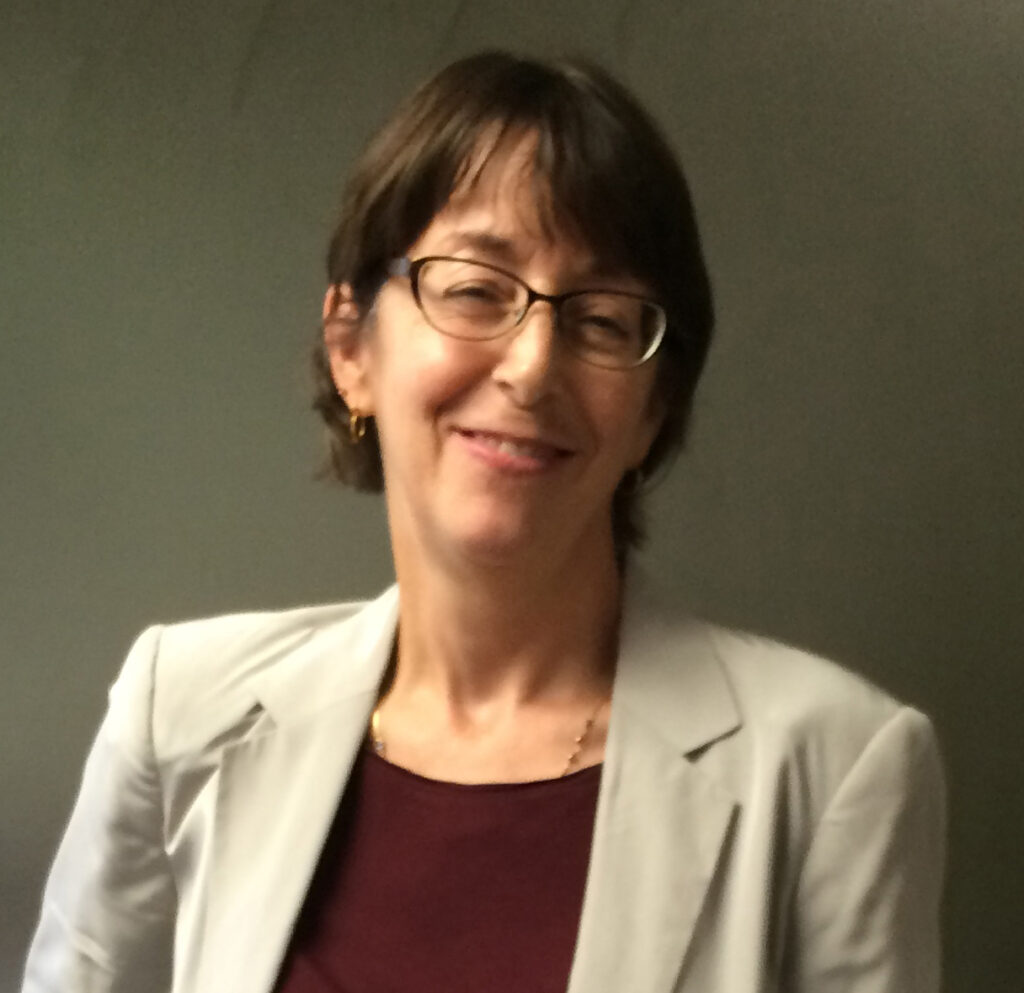
Dr. Miriam Stark is an American anthropological archaeologist who specializes in Southeast Asian archaeology. Since 1995, she has been a professor at the University of Hawai’i-Mañoa in the Department of Anthropology, College of Social Sciences. She currently directs the university’s Center for Southeast Asian Studies (2018-2022).
For her teaching is not just a job but an integral part of family heritage coming from two generations of teachers. She quickly realized her passion for archaeological fieldwork since childhood during summer’s spent at her grandparent’s farm in Ohio and her mother exposing her to a 6-week archeology-themed summer trip to Israel in 1978. She took a deep interest in Southeast Asia interacting with Asian family friends, colleagues, and faculty working in the Philippines.
Dr. Miriam Stark received her B.A. in Anthropology/English (1984) from the University of Michigan, and she went on to complete her M.A. (1987) and Ph.D. (1993) in Anthropology from the University of Arizona (Tucson). Her doctoral dissertation was about “Pottery Economics: A Kalinga Ethnoarchaeological Study”, supervised by William Longacre. Her main interests include political economy, state formations, and local histories of Southeast Asia (e.g., Cambodia, Thailand, Laos, etc.). Since 1996, alongside teaching students, she pursued these research strands primarily through leading archaeological fieldwork in Cambodia.
She is most well-known for being co-director of the Lower Mekong Archaeological Project (LOMAP) in collaboration with Cambodia’s Ministry of Culture and Fine Arts (1996-2009) and working on the Greater Angkor Project (GAP) (2010 – 2015). LOMAP investigated state formation and the collapse in one of Cambodia’s Mekong Delta during its early historical period (500 B.C. to ca A.D. 500) for nearly a decade. Meanwhile, the Greater Angkor Project examined habituation patterns of the Angkor Civilization, once the scene of the highly prosperous Khmer Empire(Ninth to Fifteenth centuries A.D.).
Prior to her involvement in Cambodia, her Ph.D. research was focused on the ethnoarchaeological case study based in the village of Dalupa, Philippines exploring pottery economics and ceramic ethnoarchaeology in the American Southwest Region, especially as part of the Homol’ovi Research Program (Arizona State Museum).
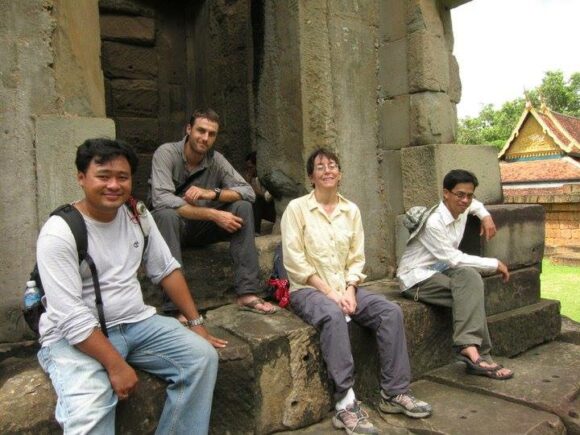
Dr. Stark with Members of The Greater Angkor Project (GAP) at Wat Athvea, Siem Reap,Cambodia.
Additionally, Dr. Miriam Stark directed the Luce Asian Archaeology Program (LAAP) introduced in 2008 by the Department of Anthropology at U.H. Mãnoa, funded by the Henry Luce Foundation’s Luce Initiative on East and Southeast Asian Archaeology and Early History. The goal was to continue training and integrating more Asian archeologists. The Anthropology Program at U.H. Mãnoa has successfully produced graduate students in this field for nearly 35 years and counting.
Dr. Miriam Stark regularly engages in training programs and workshops to promote Southeast Asian scholarships on ceramic analysis, the usage of Geographic Information Systems(GIS), and Cultural Resource Management. She has served on committees for over 75 bachelor’s degrees, Master’s Theses, and Ph.D. dissertations. Professor Stark also has multiple editorial appointments, including serving as Editor-in-Chief of Asian Perspectives (2000 – 2006), which is an important journal of archaeology for Asia and the Pacific region, and on the editorial advisory board for American Antiquity (2009 – 2012), published by the Society for American Archaeology. Stark has served in multiple service roles at the departmental, university, national, and international levels. These roles include seven years as an undergraduate advisor at U.H. Mãnoa, a participant of the U.H. Mãnoa College of Social Sciences Research Council, and being a member of the American Anthropological Association and Cultural Heritage Policy Committee (Archaeological Institute of America) with a geographical focus on Southeast Asia.
Her U.H. Mãnoa faculty page and personal research website have further detailed information on her impressive credentials and career trajectory linked to her official CV, community service roles, and additional publications.

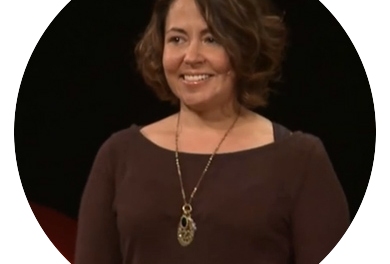
Dr. Stark presenting at the 2018 Singapore Exploring Angkor Symposium
As a senior scholar, Dr. Miriam Stark focuses on transdisciplinary methods to understand human decision making, economy, and environmental changes through site formation and destruction. She appears most excited about finding new ways to collaborate with international stakeholders, local communities, and students. Furthermore, she is very passionate about addressing the issues related to gender equity in archaeological practice and scholarship. Ultimately, in doing so, she is not only supporting Southeast Asian archaeologists with their training and professional development, but also deepening her own curiosities and experience in her field of work for years to come and beyond.
References:
Carter, Alison. 2020 Dr. Miriam Stark. University of Oregon, Eugene, OR, USA. Department of Anthropology, College of Social Sciences.
University of Hawai’i-Mãnoa.2020 Faculty — Dr. Miriam Stark. Electronic Document, https://anthropology.manoa.hawaii.edu/miriam-stark/
Stark, Miriam T.2020 Collaboration, engagement, and Cambodia: Archaeological perspectives oncultural heritage. Journal of Community Archaeology & Heritage 7(3); 2-17.
University of Hawai’i-Mãnoa. 2020 Miriam Stark, PhD. Electronic Document, http://www2.hawaii.edu/~miriams/
University of Hawai’i-Mãnoa — Center for Southeast Asian Studies 2020 About Dr. Miriam Stark. Electronic Document, https://www.cseashawaii.org/2018/02/dr-miriam-stark-to-give-series-of-talks-in-february/
Guest Post by Judith Ha, Smith College
Images courtesy Dr. Miriam Stark and used with permission.